Welcome to The Bosley Clinic

A place for healing, growth, and recovery.

A place for Healing Growth Recovery

We provide compassionate, evidence-based addiction counseling designed to help individuals and families overcome the challenges of Substance Use Disorders (SUDs).

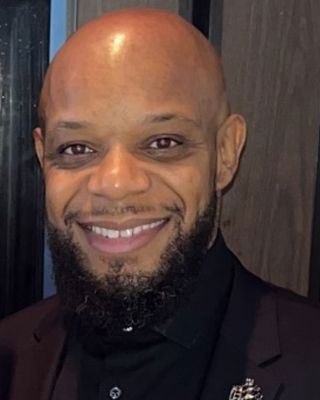
About Markus R. Bosley

- M.A., PSS, DOT-SAP, LAC
Markus Bosley is a Louisiana-based Licensed Addiction Counselor and Founder of The Bosley Clinic, Inc. With over a decade of experience in behavioral health and recovery support, Markus blends counseling expertise with community engagement, trauma-informed care, and innovative recovery models.
His approach combines empathy, education, and evidence-based practice to guide individuals through every stage of recovery — from crisis intervention to long-term stability.

Our Services

The Bosley Clinic for Family Self-Sufficiency and Workplace Development is dedicated to empowering individuals and families by providing comprehensive services that promote personal growth, economic independence, and professional success.

Individual Counseling

Personalized one-on-one sessions designed to help you navigate life’s challenges, heal, and grow.

Group Therapy

Supportive group sessions that foster connection, shared experiences, and personal growth in a safe space.

Family Support & Education

Guidance and tools to strengthen family relationships and improve communication and understanding.

DOT-SAP Evaluations

Qualified Substance Abuse Professional assessments that meet Department of Transportation (DOT) compliance standards.

Substance Use Assessments

Comprehensive evaluations to identify substance-related concerns and guide effective treatment planning.

Anger Management & Relapse Prevention

Evidence-based strategies to manage emotions, prevent relapse, and maintain long-term wellness.

Assessments & Evaluations

At The Bosley Clinic, we begin every treatment process with a comprehensive assessment to identify the root causes of substance use and co-occurring conditions.
Assessment tools may include:
Each assessment helps us develop a personalized treatment plan tailored to the client’s readiness, needs, and goals.

Treatment Planning

Every treatment plan is built collaboratively, focusing on achievable goals and measurable outcomes.

Short and long-term goals

Identified triggers and relapse risks

Skill-building and coping mechanisms

DOT-SAP Recovery support integration (family, peer, or community resources)

Aftercare and relapse prevention planning

Our process aligns with ASAM Dimensions and Louisiana Administrative Code Title 48, ensuring all services are compliant, ethical, and clinically sound.

Treatment Planning

Every treatment plan is built collaboratively, focusing on achievable goals and measurable outcomes.

Short and long-term goals

Personalized objectives that guide recovery progress from initial stabilization to sustained sobriety.

Identified triggers and relapse risks

Recognition of personal, environmental, and emotional factors that may challenge recovery.

Skill-building and coping mechanisms

Development of healthy strategies to manage stress, cravings, and everyday challenges.

DOT-SAP Recovery support integration

Inclusion of trusted support systems to strengthen accountability and encouragement.

Aftercare and relapse prevention planning

Structured follow-up and maintenance plans to ensure long-term recovery success.

Counseling Theories & Approaches

Motivational Interviewing

Encourages clients to explore their ambivalence about change, building intrinsic motivation in a supportive, nonjudgmental space.

Cognitive Behavioral Therapy

Helps clients identify negative thought patterns, build coping skills, and manage triggers that lead to relapse.

Person-Centered Therapy

Provides unconditional positive regard and empathy, creating a safe space for self-exploration and healing.

Rational Emotive Behavior Therapy

Teaches clients to challenge irrational beliefs that lead to emotional distress and substance misuse.

Polyvagal Theory Integration

Focuses on nervous system regulation, helping clients manage trauma responses, anxiety, and stress to improve emotional stability and recovery success.

Contingency Management

Rewards positive behavior (like clean drug screens or attendance) to reinforce recovery through behavioral change.

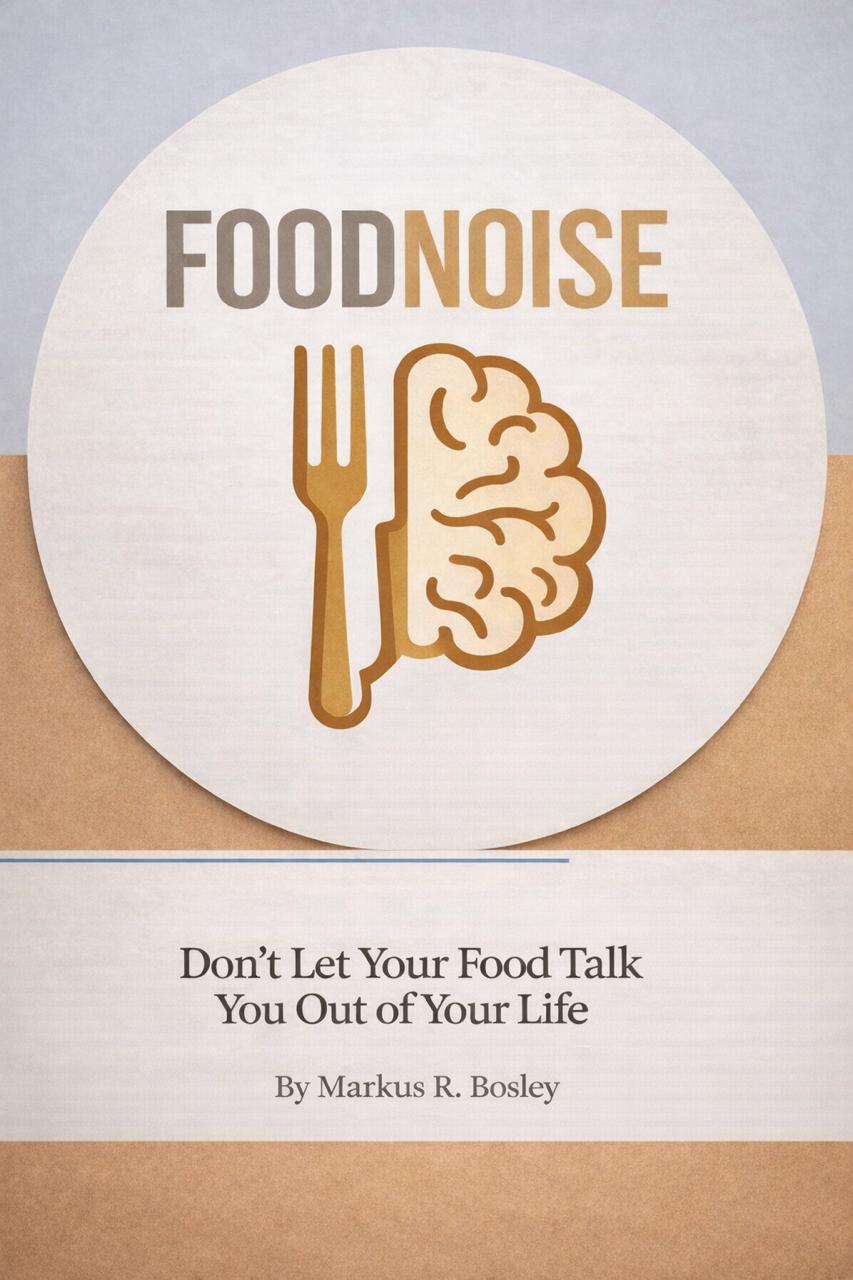
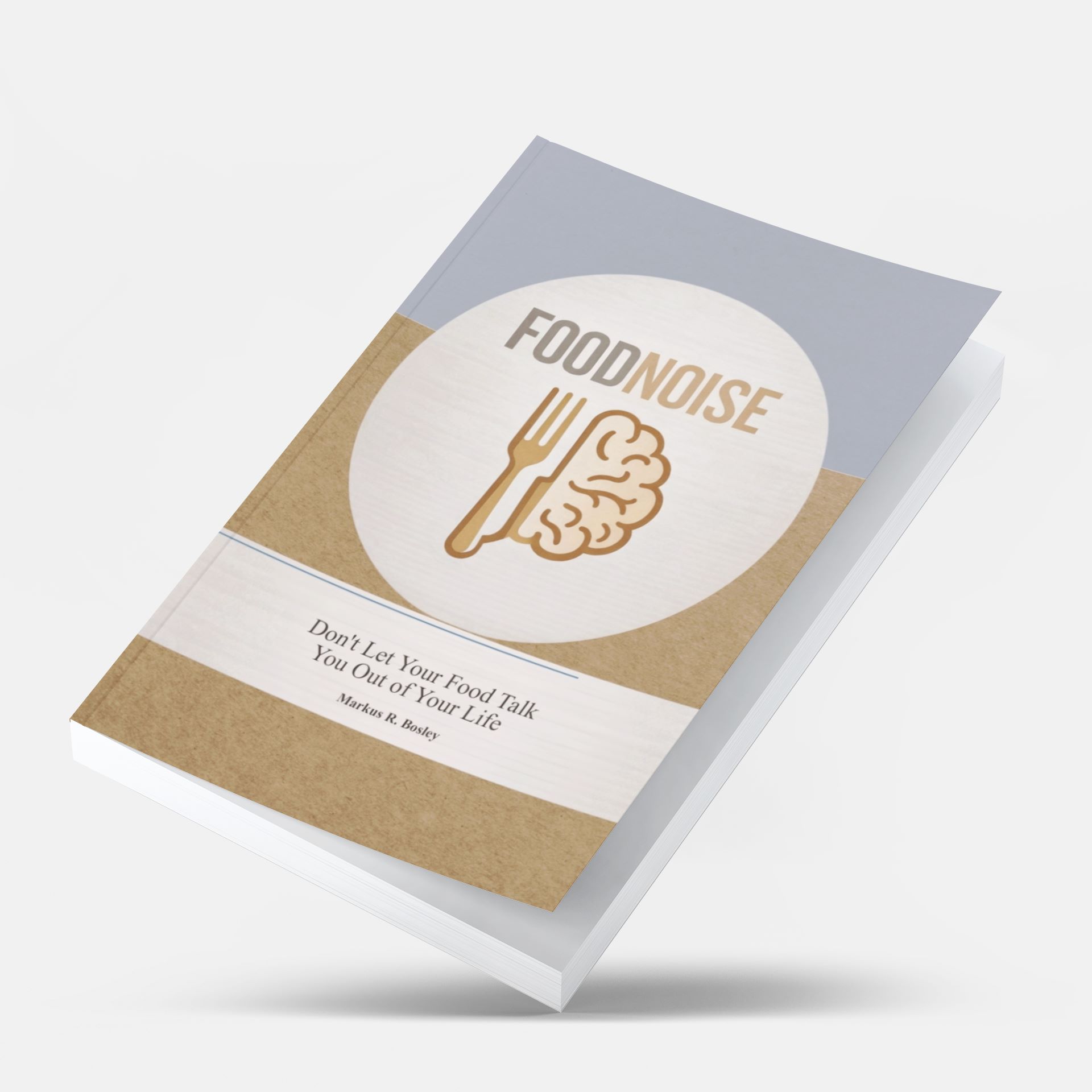
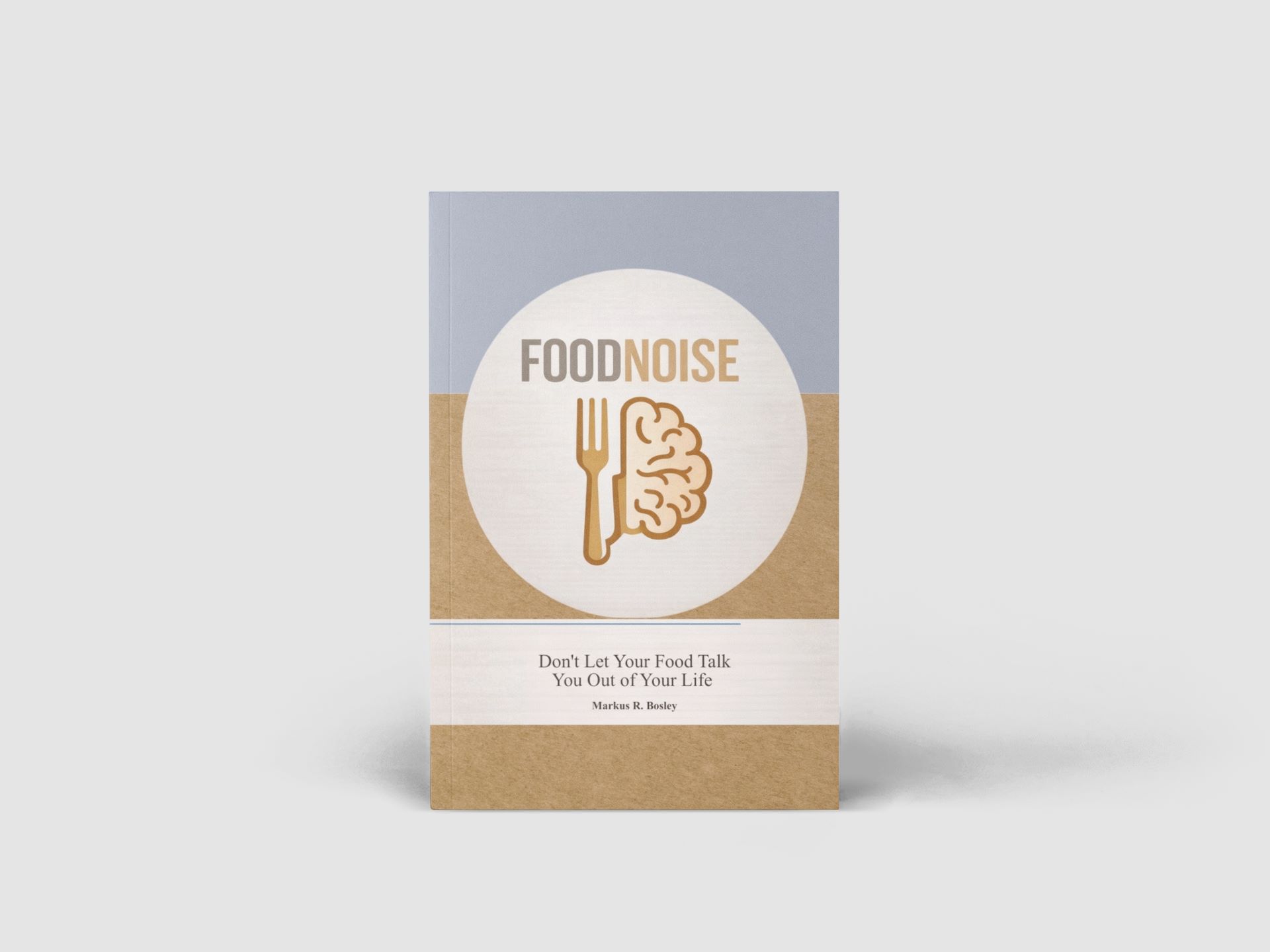
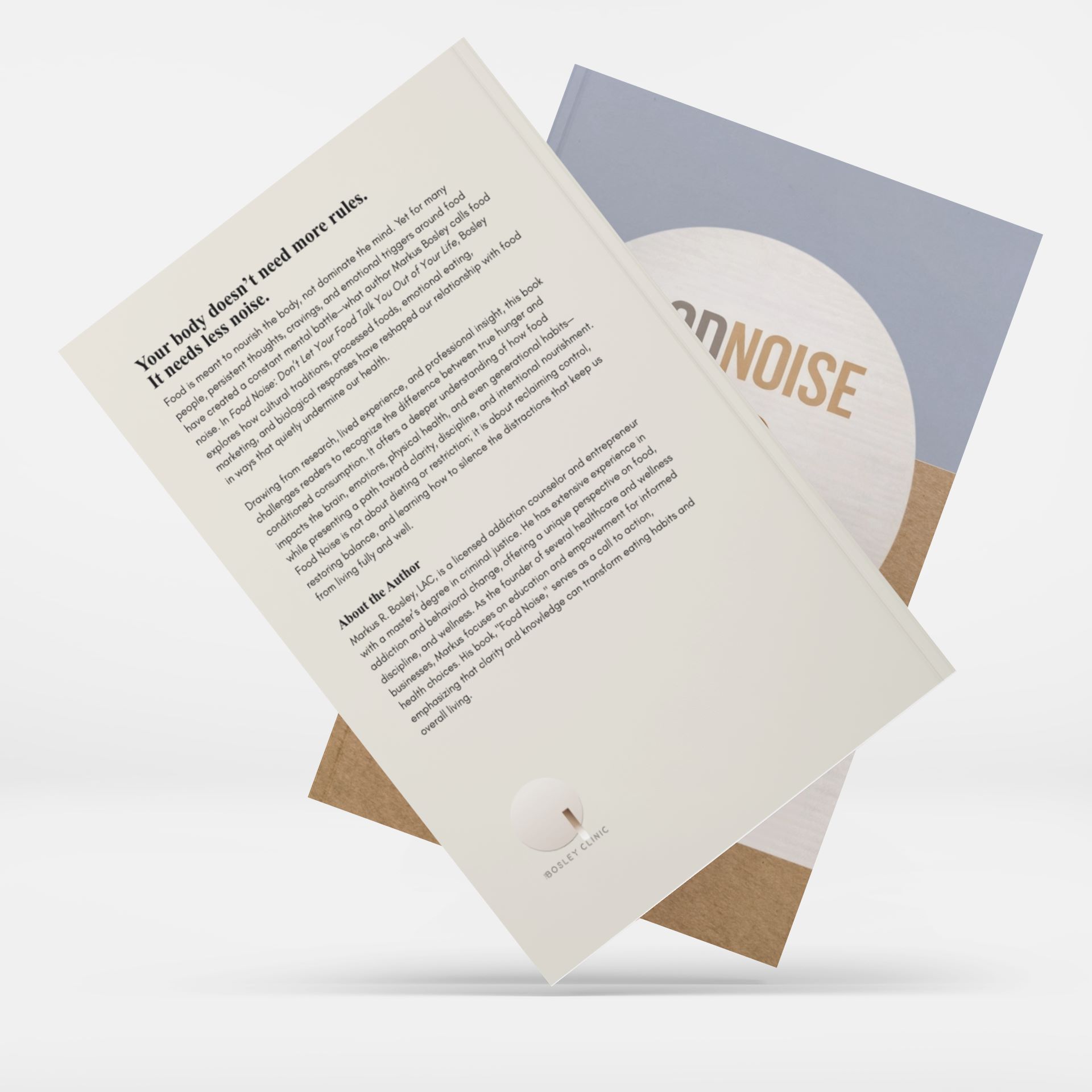
Food Noise: Don’t Let Your Food Talk You Out of Your Life

Food Noise challenges the invisible mental chatter that controls how we eat, think, and live.

In Food Noise:

Don’t Let Your Food Talk You Out of Your Life, licensed addiction counselor and entrepreneur Markus R. Bosley, LAC exposes the psychological, biological, cultural, and societal forces that keep people trapped in unhealthy eating patterns—often without realizing it. Food noise is more than cravings; it’s the constant internal and external messaging that drives emotional eating, overeating, poor health outcomes, and disconnection from the body’s true needs.
Blending clinical insight, neuroscience, nutrition research, cultural analysis, and personal testimony, this book takes readers on a powerful journey through the realities of modern food consumption. From the impact of processed sugar, GMOs, and ultra-processed foods to the influence of social media, food marketing, trauma, and generational traditions, Food Noise explains why willpower alone is not enough—and what actually works.

Inside, readers will discover:

Unlike fad diets or surface-level wellness advice, Food Noise offers education, awareness, and practical strategies rooted in science and lived experience. This book is ideal for readers seeking sustainable health, clarity around food choices, and a deeper understanding of how nutrition affects the body, brain, and future generations.
If you’re ready to stop reacting to cravings, break generational cycles, and build a healthier relationship with food—this book is your wake-up call.

Resources & Education

Understanding the Stages of Change
Common Triggers and Coping Tools
Articles on addiction neuroscience, recovery, and self-care